Turning your topic into a story
After a very popular workshop at our Science & Technology Journalism Summer School, the ABSW brings you another opportunity to improve your skills.
Now closed to bookings but get in touch to see if we have had any cancellations - [email protected]
Date: Thursday June 4, 2026 (In Person Only)
Time: 13:30 Lunch 14:00-16:30 Workshop
Venue: Dana Research Centre and Library, 165 Queen’s Gate, London, SW7 5HD
About this workshop
You’ve painstakingly researched a feature idea, but editors keep rejecting your pitch. “It’s a topic, not a story,” they say. It’s an issue that frustrates writers and editors alike.
Rejected pitches aren’t just commissions you didn’t get, they represent science that deserves to get a wider airing, but doesn’t. The solution doesn’t lie in packing more information into your pitch, or finessing your prose. It’s about knowing what a story is and how to unearth stories hidden in your topic.
This hands-on workshop will help you make that transformation. You'll start thinking differently about every piece of science you encounter, spotting stories where you once only saw subject areas. You will learn what separates a story from a literature review, develop a systematic toolkit for interrogating your topic until the story emerges, and understand how to write a great story pitch.
Who this is for
Early-career science journalists who want to up their feature-writing game and land more commissions. You don’t need any previous training, but do come to the session with a topic you want to write about.
What you will leave with
• A clear understanding of what makes a story and how it differs from a topic
• Familiarity with story shapes that often crop up in science journalism
• A toolkit for interrogating any topic to find the story inside it
• A draft feature pitch for your own story idea
• Peer feedback on your pitch from fellow writers
• Worksheets to use for developing and pitching future stories
| Time | Duration | Section |
| 14:00 | 10mins | Introduction: why topic pitches fail |
| 14:10 | 25mins | Section 1: What is a story? Common shapes in science writing. Activity 1 |
| 14:35 | 15mins | Section 2: Activity 2 compare a literature review on a topic and a New Scientist feature story arising from it |
| 14:50 | 30mins | Section 3: Activity 3 Finding your story: the interogation toolkit. Case study and discussion |
| 15:20 | 20mins | Activity: write a para about your topic. Use the interrogation toolkit to assess it |
| 15:40 | 20mins | Section 4: Turning your story idea into a great pitch |
| 16:00 | 20mins | Section 5: Stress-test your pitch. Pitch clinic in small groups |
| 16:20 | 10mins | Final Q&A |
About the trainers
Claire Ainsworth has held reporter and feature editor posts at New Scientist and Nature. She is now a freelance science journalist and experienced training practitioner.
Aisling Irwin is an award-winning feature writer whose work appears regularly in New Scientist and other leading science publications. She is a member of the ABSW board.
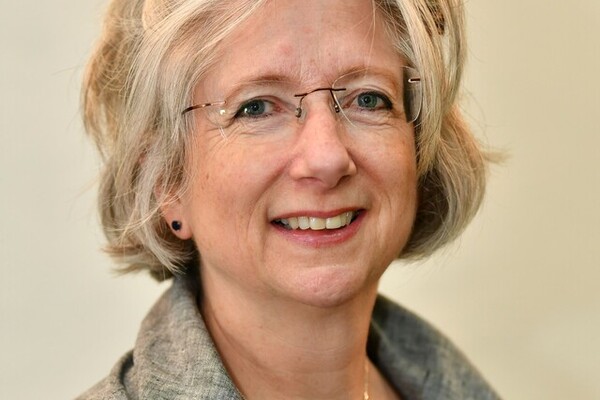
Aisling freelances, mostly about science, the environment and development. Her work appears in publications such as New Scientist, Nature and SciDev.Net.
She has lived in and freelanced from various countries in Asia and Africa and is the author of a couple of books -- a travel guide to Cape Verde and the story of an African journey she did with her husband.
In the distant past, she was a science correspondent on The Daily Telegraph. She has won a couple of awards for her writing and is a member of the ABSW Board.
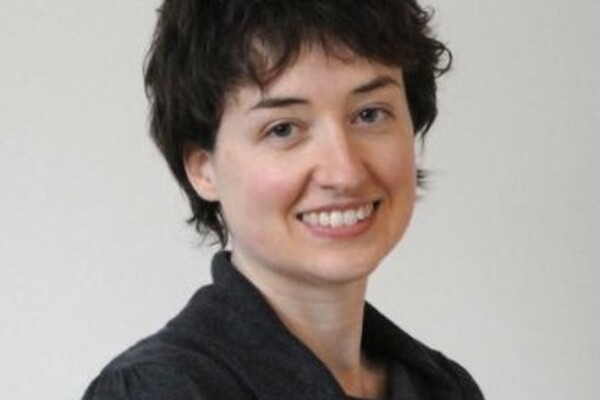
Claire Ainsworth is a freelance science journalist focusing on biology and biomedicine. After gaining a degree in Natural Sciences at the University of Cambridge, Claire spent a year studying biology at the University of Heidelberg, Germany, before completing a doctorate in developmental biology at the University of Oxford. She joined New Scientist in 1999 as a trainee subeditor, later becoming a news reporter and then a features editor. She moved to Nature to work as a senior reporter and editor before going freelance.
Claire's writing has appeared in a variety of outlets including New Scientist, Nature, Science, The Observer and The BMJ, and she has made a number of appearances on BBC science radio. She has won awards from the Medical Journalists' Association and the Association of British Science Writers, and was Highly Commended in the 2022 MJA awards for best feature in a specialist publication. Her reporting has taken her from the Komodo dragon enclosure at London Zoo to hunting for extreme lifeforms in her dishwasher, and some of her favourite stories involve the extraordinary creatures that live in the sea.


